When foot or ankle pain shows up, people often do what they always do: call their family doctor, rest it for a week, or try an insert from the drugstore. Sometimes that is all you need. Other times, small problems spiral into months of discomfort because the right specialist wasn’t involved early. I have watched weekend warriors limp through a whole season after “rolling an ankle,” only to discover a ligament tear that never healed properly. I have seen quiet diabetic wounds turn into emergency admissions. The pattern is consistent: the foot and ankle bear enormous loads, and they do not forgive poor mechanics or delayed care.
This piece will help you decide when your general practitioner is the right first stop and when you need a foot and ankle specialist. I will also translate the titles you see online, because “foot and ankle surgeon,” “foot and ankle podiatrist,” and “foot and ankle orthopedic surgeon” are not interchangeable. Knowing who does what saves time, money, and cartilage.
Where a General Practitioner Fits
A general practitioner, internist, or family physician is the front door to medical care for most people. They are skilled at sorting common complaints, spotting red flags, and coordinating referrals. If you wake up with a mild ache around the heel after a longer walk than usual, or your big toe looks a bit puffy but you can still move well, your GP is a sensible place to start. They can assess for systemic issues like gout, inflammatory arthritis, or medication side effects that mimic musculoskeletal pain. They order first-line imaging like plain X‑rays, prescribe anti-inflammatories if safe, and suggest activity modifications.
In my clinic, I appreciate when patients arrive with a summary from their GP. It often includes lab work to exclude infection or uric acid spikes, blood sugar checks for those with diabetes, and notes about past injuries. A good GP also recognizes when a problem crosses the line into specialized foot and ankle care.
Think of your GP as your navigator. They keep the big picture in view: your blood pressure, your medications, your overall risk profile. They are also essential if you need referrals for insurance authorization before seeing a foot and ankle doctor.
What a Foot and Ankle Specialist Actually Does
The phrase “foot and ankle specialist” is a broad umbrella. Under it you will find professionals with different routes of training and overlapping scopes:
- A foot and ankle podiatrist is a foot and ankle medical specialist focused exclusively on the lower extremity, usually with a podiatry degree and residency that includes clinic, surgery, and biomechanics. Many are foot and ankle podiatric surgeons. Some focus on sports injuries, others on diabetic foot care or wound management. A foot and ankle podiatry specialist often manages plantar fasciitis, bunions, hammertoes, Achilles issues, ingrown nails, and neuropathy. Many perform procedures ranging from minimally invasive bunion correction to tendon repairs. A foot and ankle orthopedic surgeon is an MD or DO who completed orthopedic surgery training and then a fellowship in foot and ankle surgery. If your case involves complex fractures, joint replacement, multi-ligament reconstructions, or post-traumatic deformity, a foot and ankle orthopaedic foot surgeon or foot and ankle reconstruction surgeon may be the right match.
Both pathways produce experts who handle bones, joints, tendons, ligaments, soft tissue, and biomechanics of the foot and ankle. Within this world, you will encounter narrower titles that describe focus areas: foot and ankle trauma surgeon, foot and ankle bunion surgeon, foot and ankle Achilles specialist, foot and ankle arthroscopy surgeon, foot and ankle minimally invasive surgeon, foot and ankle deformity specialist, or foot and ankle wound care doctor. These labels signal depth in specific problems, not isolated silos. A foot and ankle surgery expert still treats routine issues, but they may have specialized tools and experience that matter when things get complicated.
The point is simple: a foot and ankle doctor, whether trained through podiatry or orthopedics, spends every day on the structures you walk on. That concentrated experience improves diagnosis, procedural planning, and rehabilitation.
Pain Patterns That Point to a Specialist
Pain location and behavior tell us a lot. If you feel a stabbing at the bottom of your heel that greets you with the first steps in the morning, plantar fasciitis is likely. A foot and ankle plantar fasciitis specialist will distinguish it from nerve entrapments, stress fractures, or fat pad atrophy. If your pain sits behind the heel and worsens with uphill running, the Achilles tendon may be involved, and a foot and ankle Achilles tendon surgeon will weigh conservative care versus surgical options particularly if there is a partial tear.
Persistent ball-of-foot pain, especially with calluses beneath the second or third toe, points to overload or a hammertoe developing. A foot and ankle hammertoe surgeon or foot and ankle joint specialist will evaluate the forefoot mechanics, not just the symptomatic spot. Locking or catching in the ankle after a sprain raises concern for cartilage injury, best assessed by a foot and ankle cartilage surgeon or a foot and ankle arthroscopy surgeon who can address loose bodies or talar dome lesions.
Numbness, burning, or night pain suggests a nerve problem. A foot and ankle nerve pain doctor or foot and ankle neuropathy specialist can test for tarsal tunnel, Morton’s neuroma, or diabetic neuropathy. They also know when symptoms come from higher up, like a pinched nerve in the back, which changes the treatment plan.
In the background sit common systemic factors. Smokers, for example, heal slowly. People with diabetes risk wound complications. Those details change the calculus for a foot and ankle surgery professional, and they are why a foot and ankle healthcare provider will ask about your entire medical history, not just your shoe size.
When Urgency Overrides “Wait and See”
Some problems cannot wait. A misstep off a curb that produces immediate swelling and the sensation of something shifting inside the ankle should be treated as a potential fracture or high-grade sprain. A foot and ankle fracture doctor or foot and ankle trauma specialist can order weight-bearing X‑rays and, when needed, CT scans. If bones are out of place, early reduction protects cartilage. Delayed care can lead to chronic instability or post-traumatic arthritis.
A deep cut on the foot that bleeds briskly, shows exposed fat, or occurred through a dirty surface warrants immediate evaluation. Tendon lacerations around the top of the foot are commonly missed in urgent care because patients can still wiggle toes, yet the extensor tendon may be partially severed. A foot and ankle tendon specialist or foot and ankle soft tissue surgeon will test each tendon individually and repair what is damaged.
Fever, spreading redness, foul odor, or drainage from a wound are red flags, especially for anyone with diabetes or vascular disease. A foot and ankle diabetic foot specialist or foot and ankle wound care doctor should be involved early. Infection in the foot can reach bone quickly, and limb salvage depends on swift debridement, antibiotics, and offloading strategies that a foot and ankle lower limb surgeon coordinates with vascular and infectious disease teams.
And then there is the classic scenario: a severe ankle sprain that is still swollen and unstable two to three weeks later. Recurrent rolling despite rest is not “normal healing.” A foot and ankle ligament surgeon or foot and ankle sprain specialist will examine the syndesmosis and lateral ligaments, assess peroneal tendons, and consider MRI if symptoms do not match a simple sprain. Addressing this early can mean the difference between eight weeks of therapy and a year of repeated injuries.
What Makes Specialized Evaluation Different
A dedicated foot and ankle care provider brings a few things you rarely find in a generalist clinic. First, a biomechanical lens. A foot and ankle biomechanics specialist studies how your arch height, calf flexibility, hip strength, and gait pattern distribute forces. Small changes in alignment can turn a jogger’s knee twinge into plantar heel pain, or a teacher’s long-standing day into forefoot overload. In practical terms, this means a foot and ankle gait specialist may watch you walk, analyze wear patterns on your shoes, and check subtalar motion rather than only order imaging.
Second, tailored diagnostics. Weight-bearing radiographs reveal deformities that disappear when you sit. A foot and ankle joint specialist looks for subtle alignment cues that general radiology reports sometimes miss. Ultrasound in skilled hands can confirm tendon tears at the bedside. When advanced imaging is needed, a foot and ankle extremity specialist knows which sequences matter for cartilage or ligament assessment, which spares you repeat scans.
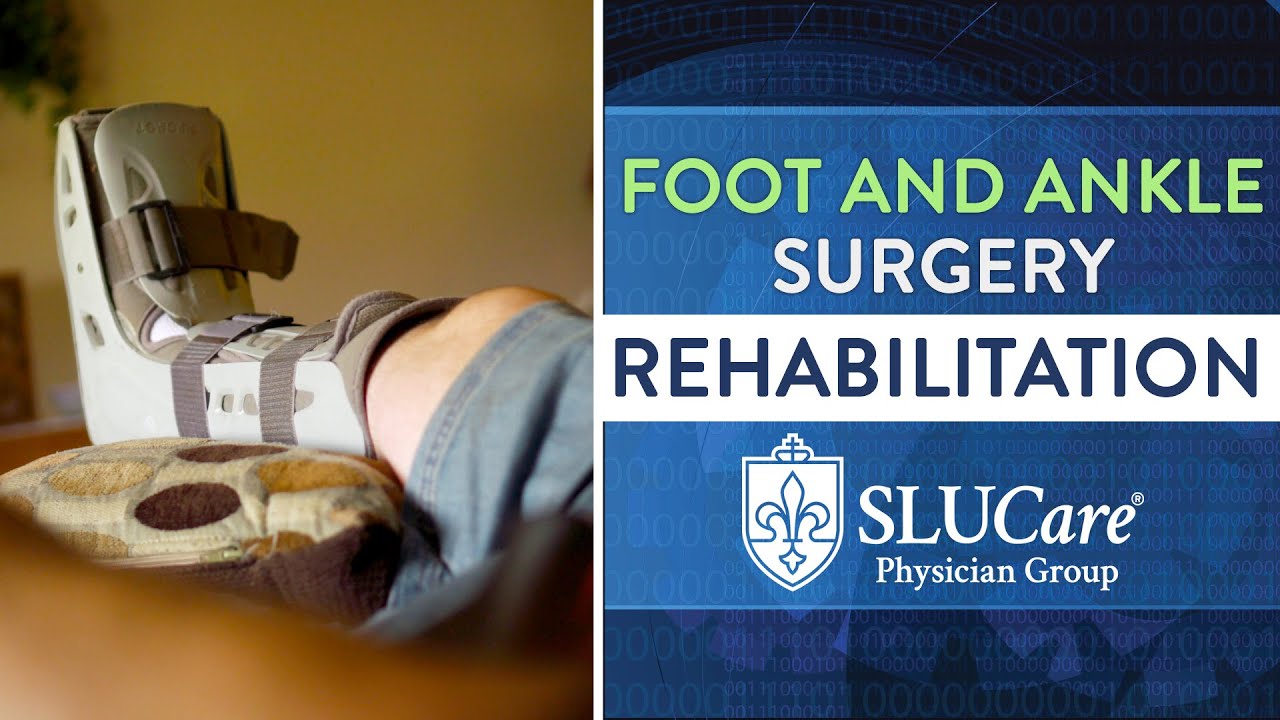
Third, layered care. A foot and ankle pain doctor will not jump to surgery unless indicated. Conservative options are richer than rest and ice. They include targeted physical therapy that teaches loading patterns, guided injections when appropriate, bracing to protect healing tissues, and custom orthoses calibrated to your foot morphology. When surgery is the right call, a foot and ankle corrective surgeon or foot and ankle reconstructive specialist matches the procedure to your anatomy and goals, whether that means arthroscopy for discrete cartilage defects, minimally invasive bunion correction through small incisions, or comprehensive flatfoot reconstruction.
The Titles You See, Decoded
Online directories and clinic websites use a tangle of titles. Here is a concise translation that respects the real differences without getting lost in lore:
- Foot and ankle orthopedic surgeon or foot and ankle orthopedic foot surgeon: Orthopedic MD/DO with fellowship training in foot and ankle. Broad surgical spectrum including fractures, fusions, total ankle replacement, complex deformity, and sports injuries. Foot and ankle podiatrist or foot and ankle podiatry surgeon: DPM specialized in medical and surgical care of the foot and ankle. Strong in biomechanics, elective forefoot surgery, tendon and ligament procedures, sports medicine, diabetic limb preservation, and wound care. Many podiatrists also train extensively in trauma and reconstruction. Foot and ankle consultant or foot and ankle consultant surgeon: Common phrasing in some countries for senior specialists who lead care teams. Foot and ankle sports injury doctor or foot and ankle sports surgeon: Focus on athletes, from sprains and stress fractures to tendon repairs and arthroscopy. Foot and ankle arthritis doctor and foot and ankle joint specialist: Emphasis on cartilage preservation when possible and joint replacement or fusion when necessary. Foot and ankle trauma surgeon and foot and ankle injury specialist: Acute fractures, dislocations, open injuries, and their sequelae.
You may also see niche descriptions like foot and ankle minimally invasive surgeon, foot and ankle tendon repair surgeon, foot and ankle bunion correction surgeon, or foot and ankle deformity correction surgeon. These often reflect tools and techniques the practitioner uses frequently.
Real Cases, Real Decisions
A 42‑year‑old teacher develops heel pain midyear. She tries gel inserts and stretches she found online, but walking to class grows miserable. Her GP rules out fracture and suggests a short course of NSAIDs. A month later, still limping, she sees a foot and ankle plantar fasciitis specialist. On exam, the fascia is tender, but the calf is also tight, ankle dorsiflexion limited. A gait assessment shows overstride and late-stage pronation. Therapy shifts from random stretches to a structured program: eccentric calf work, fascia-specific stretching, and gait cues. A night splint gently keeps the calf from shortening. A custom orthosis reduces peak heel load. She never needed a shot. Two months later, she walks her classroom comfortably, and the insert stays in her daily shoes as a quiet insurance policy.
A 17‑year‑old soccer player rolls his ankle. The sideline tape job gets him through the match, but the next morning the ankle balloons. After a week off, he still feels something shift when he cuts. The GP orders X‑rays, which are clean, and recommends rest. A foot and ankle ligament injury doctor notes tenderness over the syndesmosis and pain with squeeze testing. MRI shows a high ankle sprain. Early boot protection and a staged rehab spare him from chronic instability. He returns to play stronger, not just rested.
A 65‑year‑old with long-standing flatfoot develops inside ankle pain and difficulty pushing off. The arch collapses further with each season. A foot and ankle deformity specialist diagnoses stage II posterior tibial tendon dysfunction. Custom bracing, calf stretching, and foot intrinsics help early, but progressive collapse demands surgery. A foot and ankle reconstructive foot surgeon performs a calcaneal osteotomy to realign the heel, tendon transfer to restore inversion strength, and a ligament repair to stabilize the midfoot. Her walking distance triples within a year, and shoe choices become practical rather than prescriptive.
These scenarios hinge on nuance: where the pain sits, how the foot moves, what loads the tissues must carry. Specialists live in that nuance.
Choosing Between Conservative Care and Surgery
Most foot and ankle conditions respond to conservative care if addressed early. A foot and ankle pain specialist may combine activity modification, targeted therapy, taping, footwear changes, and temporary bracing. For plantar fascia pain, for example, we often see a 70 to 90 percent improvement within 6 to 12 weeks using structured loading and biomechanics-focused changes. For Achilles tendinopathy, eccentric loading programs show similar success, though insertional disease requires a different approach.
Surgery becomes appropriate when pain persists despite well-executed nonoperative care, when structural deformity prevents normal function, or when tissues are torn or unstable in ways that will not heal predictably. A foot and ankle surgical specialist will outline risks, benefits, expected recovery timelines, and alternatives. Procedures range from small to large: a minimally invasive bunion osteotomy through tiny incisions, arthroscopic debridement of a small cartilage defect, ligament reconstruction for recurrent ankle sprains, or complex correction for flatfoot or cavus deformity.
One point I share often: surgery is a tool, not a fix-all. A successful operation still depends on good rehabilitation, patient engagement, and protecting the repair long enough to let biology do its work. Your foot and ankle medical professional should lay out a post-operative plan that includes milestones for weight-bearing, return to driving, and eventual sport.
How Gait, Shoes, and Work Add Up
The foot is a lever, a spring, and a shock absorber. That means the way you walk, the surfaces you work on, and the shoes you wear can either help or sabotage recovery. I have watched a warehouse worker eliminate forefoot pain by combining a rocker-soled shoe with a metatarsal pad and scheduled micro-breaks. A nurse on 12‑hour shifts solved recurrent heel pain by swapping a soft, marshmallow midsole for a slightly firmer, more stable platform that reduced torsion, then adding a modest heel lift under guidance from a foot and ankle gait specialist.
A foot and ankle structural foot doctor will not throw a one-size-fits-all insole at you. They will assess if your arch collapses late in stance, if your hip lets your knee drift in, or if your calf is stealing motion from the ankle. Sometimes the foot is innocent and the culprit sits higher up. That is why a foot and ankle musculoskeletal doctor may collaborate with physical therapy to correct glute weakness or core control that shows up as foot overload.
Pediatric and Geriatric Considerations
Children are not just smaller adults. A foot and ankle pediatric foot doctor sees flexible flatfoot routinely, and most cases are normal. We watch for pain, fatigue, and partial flexibility loss. Intoeing, toe walking, or frequent tripping can stem from hip or tibial torsion rather than foot mechanics alone. Early assessments by a foot and ankle pediatric surgeon help catch the rare cases that need guided growth or surgery.
At the other end, older adults face different risks. Bone density changes make stress fractures more common. Stiffness in the big toe joint can look like a bunion problem but is actually hallux rigidus, better served by a foot and ankle joint specialist who can preserve motion when possible. Skin is thinner, and balance can be fragile. A foot and ankle comprehensive care doctor adjusts plans to protect independence, not just fix X‑rays.
Diabetic Foot and Vascular Realities
Diabetes changes the rulebook. The combination of neuropathy, poor blood flow, and altered immunity turns a small blister into a major threat. A foot and ankle diabetic foot specialist or foot and ankle lower extremity doctor monitors calluses, nail care, and footwear fit. Offloading is as important as antibiotics when ulcers form. A foot and ankle limb specialist works with vascular colleagues to restore blood flow before attempting advanced wound closure. For deformities that cause constant pressure, a foot and ankle corrective foot surgeon may perform tendon balancing or bony reshaping to prevent recurrence. The aim is limb preservation, not simply wound closure.
Imaging, Injections, and Orthoses, Explained
Imaging is a tool, not an answer. A foot and ankle medical doctor may start with weight-bearing X‑rays to evaluate alignment. Ultrasound helps for dynamic tendon problems or guided injections. MRI clarifies cartilage and ligament injuries when the exam and initial care do not resolve symptoms or when surgery is contemplated.
Injections vary widely. Corticosteroid can quiet stubborn inflammation in bursitis or arthritis flares, but it is used cautiously near the Achilles tendon. Platelet-rich plasma has a role in select tendon and fascia cases, though outcomes are technique and diagnosis dependent. A foot and ankle tendon injury specialist will set expectations clearly, including the lag time before improvement and the need to pair injections with loading changes.
Orthoses are not magic. They shine when used to redistribute forces specific to your foot. A foot and ankle foot care specialist may start with over-the-counter inserts modified in clinic, then move to custom devices if needed. The goal is targeted relief while rehabilitation changes how you move. If an orthosis simply props up a collapsing joint without strengthening or alignment correction, it rarely solves the problem long term.
Practical Signals That You Need a Specialist
Use this as a quick checkpoint to decide your next step:
- You cannot bear weight, or the foot looks deformed, after an injury. Pain persists beyond two to four weeks despite rest and basic care. You feel instability, locking, or catching in the ankle or midfoot. Numbness, burning, or night pain worsens, particularly with diabetes. A wound does not shrink measurably within one to two weeks of proper offloading.
If any of these are true, contact a foot and ankle specialist doctor. Your GP can help with the referral, but do not let logistics delay evaluation when urgency signs are present.
How to Choose the Right Foot and Ankle Professional
Credentials matter, but so does fit. Ask how often they treat your exact condition. A foot and ankle bunion surgeon comfortable with minimally invasive techniques will discuss angles, not just incisions. A foot and ankle Achilles specialist should describe a rehabilitation plan that phases loading intelligently. A foot and ankle trauma surgeon will talk about time to weight-bearing, blood clot prevention, and how to protect soft tissues while bones heal.
Look for a team approach. The best outcomes blend the surgeon’s plan with skilled physical therapy, thoughtful orthotics, and primary care oversight for comorbidities. In complex cases, a foot and ankle consultant surgeon coordinates with vascular, endocrine, and pain management colleagues. Communication across that network is as critical as the technical procedure.
Cost, Access, and Timing
Specialty care can feel expensive, but delays can cost more. Every missed month with a partial tendon tear increases scarring, which makes surgery more involved and recovery longer. On the other hand, many conditions respond to well-structured conservative plans that a foot and ankle care provider can set up in one or two visits. Insurance plans sometimes require a referral from a general practitioner. If you suspect you need a specialist, call your GP’s office and request a referral while you also inquire about the earliest specialist appointment. Parallel processing saves weeks.
If you rely on public transportation or have caregiving duties, tell the clinic. A foot and ankle medical professional can adapt the plan to your reality, choosing bracing over casting when safe, scheduling physical therapy at times you can attend, or using remote check-ins between milestones.
The Quiet Power of Prevention
Many foot problems start from cumulative strain. Two simple practices make a big difference. First, respect load management: increase running or walking volume by roughly 5 to 10 percent per week, not 30 to 40 percent. Second, maintain calf flexibility and foot strength: routine calf stretching and short foot exercises reduce stress on the plantar fascia and Achilles. Footwear should match your activity and foot shape. A foot and ankle mobility specialist can measure ankle dorsiflexion, which correlates with forefoot overload, https://footandanklesurgeonspringfield.blogspot.com/2025/11/foot-and-ankle-surgeon-near-you-how-to.html and advise on shoe features like heel-to-toe drop and midsole firmness that fit your mechanics.
For athletes, periodic screens with a foot and ankle sports injury doctor can catch eccentric strength deficits or landing mechanics that predict injuries. For those with diabetes, quarterly checks with a foot and ankle foot specialist or wound care doctor prevent tiny problems from becoming hospital stays.
Pulling It Together
Start with your general practitioner for minor aches that behave predictably, for systemic questions like gout versus sprain, or when you need a referral or medication review. Move swiftly to a specialist when pain persists, mechanics feel wrong, or red flags appear. Whether you see a foot and ankle orthopedic foot doctor or a foot and ankle podiatry surgeon, you are choosing someone who solves lower limb puzzles daily. That focus is what shortens the path from limping to living.
If you are unsure which door to open, call both. Ask for the earliest appointment with a foot and ankle expert, and let your GP’s office know you need a referral. Your feet carry you through thousands of steps a day. Giving them access to a foot and ankle professional when they complain is not indulgence, it is good engineering.